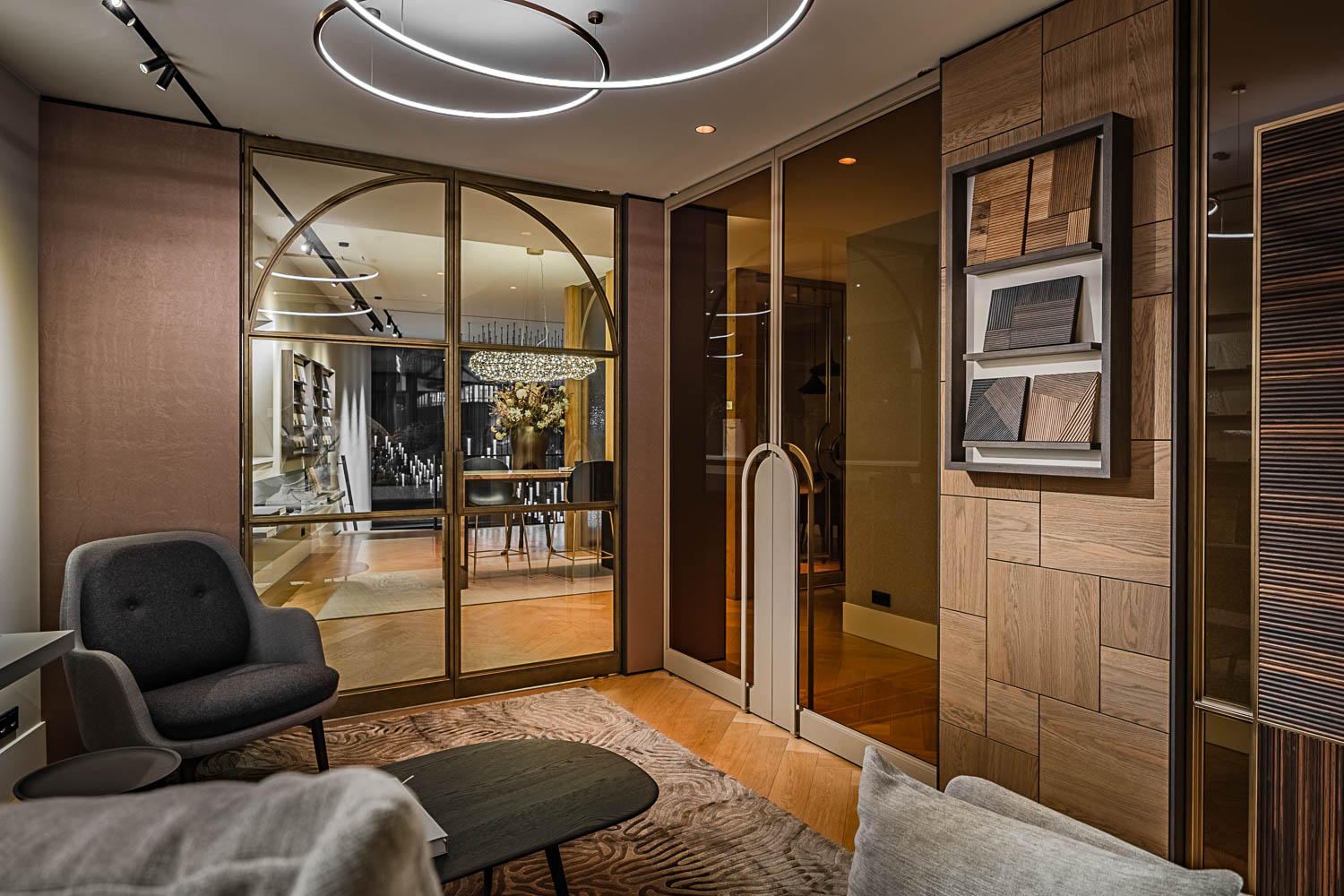
Does a pivot door close properly? Here’s what you need to know
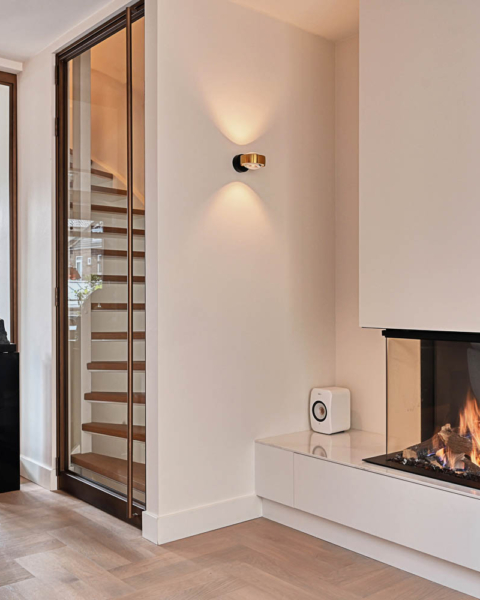
Are you unsure whether a pivot door really closes properly? You’re not alone. Many people wonder whether draughts might occur, whether gaps remain visible, and whether heat could be lost. That’s perfectly understandable, as a pivot door doesn’t have a traditional frame.
We can be clear about this: in practice, a steel pivot door closes neatly and comfortably. The gaps are minimal and barely noticeable. In return, you gain something special: a door that moves smoothly, closes silently and gently draws itself closed behind you.
How does a pivot door close without a frame?
A pivot door rotates on a vertical axis anchored into the floor and ceiling. This allows the door to open in both directions and gives it a visually detached position within the opening. It’s this detail that creates the sleek, minimalist look for which pivot doors are known.
Because the door needs to rotate freely, a small installation and movement clearance is required all around. We’re talking about just a few millimetres on each side. This space prevents friction and ensures the door continues to operate smoothly.
Important to know: a pivot door does not close into a frame like a hinged door does. If you want to fully seal off a room, another solution (such as a hinged door) is more suitable.

What will you notice in everyday use?
In daily use, customers mainly experience comfort and a sense of luxury. A steel pivot door:
- opens in both directions, ideal when walking through with your hands full
- closes in a controlled way thanks to soft-close
- automatically returns to the zero position
- can remain open in fixed positions (for example 0° and 90°)
The greatest luxury? You don’t need to think about closing the door. The mechanism does so calmly and in a controlled manner for you. As a result, warmth is retained within the room.

Why do we choose the FritsJurgens pivot system?
The feel of a pivot door is determined by its mechanism. That’s why we work with the FritsJurgens pivot system. This high-quality system:
- ensures effortless and elegant movement
- features an integrated soft-close
- requires no large recesses in the floor
- is suitable in combination with underfloor heating
- is maintenance-free and sustainably designed

When is a hinged door a better choice?
Would you like to seal a room as effectively as possible against draughts, odours or sound – for example in a bathroom, bedroom or office? In that case, a steel hinged door with a frame is often the most logical solution. A hinged door closes into the frame. Depending on the design, you can also opt for additional rubber seals.
Is your priority mainly appearance, ease of movement and a sense of space? For example, between a hallway and living room or between a kitchen and dining room? Then a pivot door is often the most attractive and most comfortable solution.

In doubt? Experience it for yourself in our showroom
You only truly notice the difference between a pivot door and a hinged door when you open and close them yourself. In our showroom, we’ll gladly let you experience the difference and offer honest advice on what best suits your space and requirements.

Visit us for an inspiration session